
If the answer is yes, Dr. Creel suggests creating goals that keep you focused on actions more than outcomes. When it comes to Setting Realistic Weight Loss Goals, mindset plays a critical role. A positive and determined mindset can lead to sustainable changes and a long-term focus on health rather than just numbers on a scale. Research shows that simply cutting back on refined carbs and replacing them with more nutritious alternatives can lead to significant weight loss.
Thinking about food as supportive nourishment is a good start. Focus on eating a variety of healthy foods that make you feel positive and energetic. This is better than depriving yourself of things you enjoy. A study of 126 overweight women found that those who focused on the process of losing weight were more likely to lose weight and maintain dietary changes (32).
Before starting a fasting regime, people can discuss their circumstances with a healthcare professional. For example, stashing pre-portioned servings of mixed nuts in your car or having cut-up veggies and hummus ready in your fridge can help you stay on track when a craving strikes. Try focusing on how you feel rather than concentrating on how you look.
I remember working with this guy who was dead set on losing 2 pounds every single week, no matter what. Now I free home workout apps teach my clients about adaptive goal setting – your targets should evolve as your body changes. Let me share something that totally changed my perspective. I had this client – let’s call her Sarah – who was absolutely convinced she needed to lose 40 pounds in two months for her sister’s wedding. After sitting down and crunching the numbers together, we realized that wasn’t just unrealistic – it was potentially dangerous.
Planning also entails setting manageable short-term and long term realistic weight loss goals that will contribute to your overall objective. If your height is 5’5″ and you weigh 170 pounds, your BMI is 28.3, classifying you as overweight. To have a healthy BMI below 25, you need to lose about 21 pounds. If your outcome goal is to lose 21 pounds in 25 weeks, then you may need to create a deficit between 300 to 500 calories each day. You should, therefore, embrace a healthy weight loss diet and exercise 3-5 times a week. Throughout this article, we’ve explored 15 evidence-based strategies that can help you achieve sustainable weight loss.
One effective method is to break down your overall goal into smaller, manageable milestones. For example, rather than aiming to lose 50 pounds quickly, focus on losing 1-2 pounds per week. This gradual approach not only makes the goal more attainable but also allows your body to adjust healthily. Tracking progress with a food and exercise journal or using a weight loss app can provide valuable insights and keep you accountable. Moreover, it’s important to set goals that encompass both quantitative and qualitative aspects of your health, such as improved energy levels, better sleep, and enhanced mood. Setting weight loss goals is a common part of the journey, but many people struggle with creating realistic, achievable targets.
Fruits, vegetables, whole grains, breads, and legumes are food groups that contain a lot of fiber. Fiber moves slowly through the digestive tract and can help you feel fuller for longer to support weight loss. Cardio workouts include things like walking, jogging, running, cycling, or swimming. Although some oils, like olive oil, are considered healthy, they also provide 9 calories per gram, compared to protein and carbs, which provide only 4 calories per gram. Here are some science-backed tips to help you lose weight. Perhaps the most important of these weight loss tips is to find activities you genuinely enjoy.
Science shows that stress management techniques such as meditation, yoga, breathing exercises, and even regular physical activity can reduce cortisol levels and support weight loss. Research shows that people who drink water before meals tend to eat fewer calories, and drinking cold water may slightly boost calorie burning as the body works to warm it up. Replacing sugary drinks with water or sparkling water is one of the simplest changes you can make for weight loss. Successful weight-loss programs provide guidance and support for adopting a healthy eating plan that is low in calories. Before setting any goals, you need to understand your current situation.
Mental, emotional, and physical health are all interconnected (65). Successful weight loss may mean living a fulfilling life and being true to yourself. Also, daily exposure to blue light in the visible spectrum to scWAT may impact circadian rhythms, which play an important role in human health and weight loss (57). These rhythms interact with dietary habits and can impact weight and insulin resistance. Regular meal schedules therefore reduce metabolic and chronic disease risk factors (21, 22, 23). That’s why it’s more important to be able to maintain weight loss.
Focus on sustainable lifestyle changes that you can maintain for years to come. Now, let’s talk about achievable goals, because this is where I see folks trip up constantly. The healthy, sustainable rate of weight loss is typically 1-2 pounds per week. I had this one client who wanted to lose 30 pounds in a month – yikes! We had to have a real heart-to-heart about setting realistic targets that wouldn’t wreck their metabolism or mental health. Creating a personalized weight loss plan involves balancing a calorie deficit, considering your diet preferences, and incorporating physical activity that fits your lifestyle.
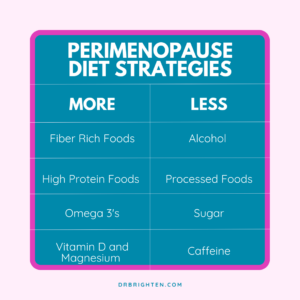
“Eating a higher-protein, higher-fiber diet will help keep you fuller for longer, which can be really beneficial when you’re in a deficit,” she adds. Getting 5 to 30 minutes of sun exposure per day is recommended (67). It takes time and effort to develop a positive body image.
Changes to your eating pattern, lifestyle, and physical activity patterns usually lead to weight loss and weight management. Successful weight-loss programs help you set realistic goals for weight loss. Focus on eating balanced meals that include a variety of nutrients. Consider working with a nutritionist to create a meal plan tailored to your needs.
One of the biggest reasons diets fail is the “all-or-nothing” mindset. People stick to rigid rules until they slip up, then abandon their efforts altogether. But science shows that consistency matters more than perfection. Establishing a bedtime routine, reducing screen time before bed, and keeping a consistent sleep schedule all help regulate appetite and metabolism. It’s typically not safe or recommended that you lose too much weight, short of having bariatric surgery.
Let’s dive into these proven approaches that can help you achieve your goals without extreme measures or unsustainable restrictions. Behavioral changes, such as identifying triggers for unhealthy eating and developing coping strategies, can help you overcome obstacles. Techniques like journaling, habit stacking, or seeking professional guidance can make these modifications more effective. Over time, these new behaviors become second nature, helping you maintain your progress.